Is Morocco Safe to Visit? Essential Safety Secrets for 2026
Table of Contents
Is Morocco Safe to Visit? The Raw, Unfiltered Truth for 2026
I still remember the message from my cousin the night before her flight to Marrakech: “Tell me honestly, am I going to be safe?” She’d spent the week reading forum posts about scams, catcalling, and “dangerous medinas,” and by the time she called me she was half-ready to cancel. She went anyway. Ten days later she came back sunburnt, loaded with spices, and slightly annoyed at how much she’d worried for nothing.”Is Morocco safe to visit?” is one of the most searched travel questions about this country, and for good reason. The answer isn’t a simple yes or no wrapped in a bow. It’s yes, with texture. Morocco is considered a safe and politically stable destination, ranking as the most peaceful country in North Africa. Over 17 million international tourists visit every year, and the overwhelming majority go home with nothing worse than a sunburn and a suitcase full of ceramics.
Quick answer: Yes Morocco is safe to visit in 2026, and it’s one of the most reassuring answers in North African travel. It’s the most peaceful country in the region, welcomes tens of millions of tourists annually, and violent crime against foreigners is rare. The U.S. State Department currently rates it Level 2 (“Exercise Increased Caution”), a rating shared with much of Western Europe. The real challenges travelers face aren’t violent they’re persistent vendors, medina scams, and the mental fatigue of constantly saying “no thank you.”
Is Morocco Safe to Visit Right Now? What the Advisories Say
Before you go further down the rabbit hole of travel forums, here’s the actual landscape. The Morocco travel advisory for 2026 from the United States sits at Level 2, “Exercise Increased Caution” the same rating given to France, Italy, and most of Western Europe. It’s not a red flag; it’s standard caution for a country with real cities and real crowds.
Canada advises a high degree of caution mainly near remote borders and Western Sahara. The UK is blunter about it: violent crime is rare, but theft and tourist scams are common in busy areas which, if you’ve spent any time in a European capital, will sound familiar.
It helps to zoom out. Morocco’s violent crime rate is meaningfully lower than in many major U.S. cities, and despite conflicts elsewhere in the Middle East, Morocco sits thousands of miles away, functioning normally, with its tourism economy in full swing. If you’re wondering whether it’s okay to visit Morocco right now, the geopolitical noise you’ve seen in headlines almost never touches the traveler experience on the ground.
Is Morocco Safe to Visit? The Real Divide Between Safety and Hassle.
Here’s the mental shift that changes everything: separate safety from hassle. Safety is about physical harm, and in Morocco that risk is low. Hassle is a different animal entirely persistent vendors, unsolicited “guides,” and sales pitches that follow you for three blocks. It’s not dangerous. It’s exhausting.
To some street opportunists, a tourist looks like a walking wallet, so unsolicited conversations happen constantly, and they’re almost always angling toward a commission-based shop. Touts are good at reading hesitation pause to check a map, and someone will appear at your elbow within seconds. The fix is almost embarrassingly simple: a firm, polite “La, shukran” (“No, thank you” in Darija), delivered without breaking stride and without meeting their eyes. Say it once, mean it, and keep walking. It works better than any app or gadget you’ll pack.
The Scam Directory: What to Actually Watch For
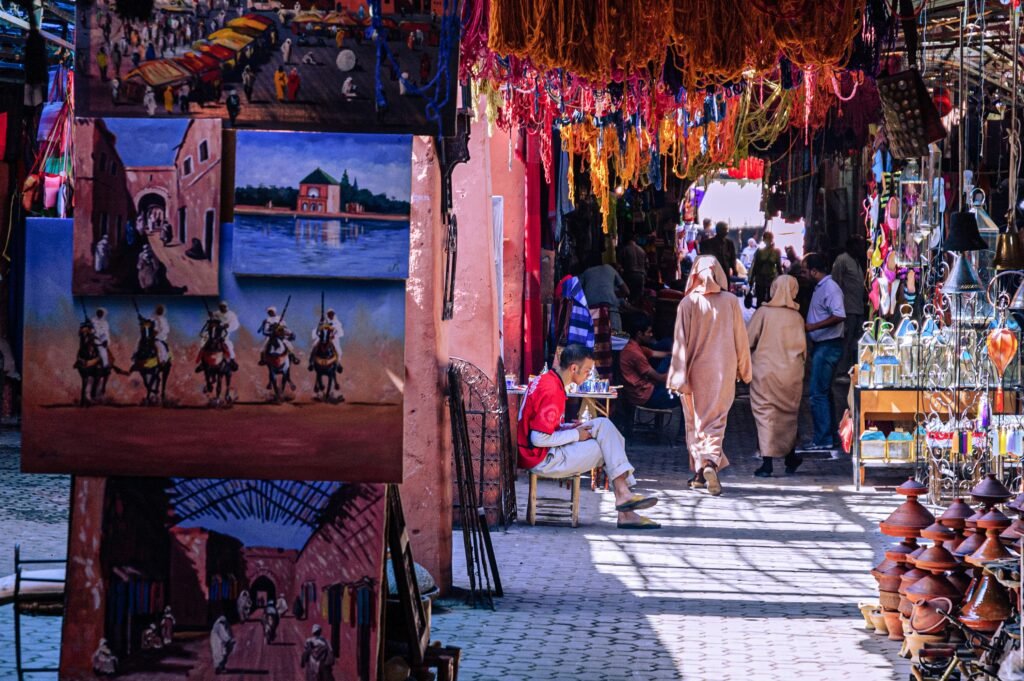
Nearly every scam in Morocco relies on the same trick and knowing them is a big part of understanding is Morocco safe to visit or not: a friendly approach that quietly turns into a sales pitch or a distraction. Here’s the honest rundown.
- The “broken meter” taxi. A driver claims the meter’s broken and quotes a wildly inflated flat rate. Insist on “compteur, s’il vous plaît” before getting in if they refuse, get out and flag another cab.
- The friendly “student” guide. A charismatic local offers a free shortcut through the medina and leads you straight to a commission shop. Under Moroccan law, unlicensed guiding is illegal — politely decline and keep moving.
- The “free” tannery tour. You’re handed mint to mask the smell, then pressured to buy overpriced leather. Visit the tanneries independently, and expect to tip the shopkeeper directly, not a street tout.
- Fake geodes and fossils. Dyed quartz sold as amethyst, plaster casts sold as trilobites. Real fossils stay cool to the touch; plaster warms up fast in your palm.
- The snake or monkey photo demand. An animal is placed on you without consent, followed by a steep “photo fee.” Keep your hands in your pockets and walk past confidently; if it happens, hand the animal back and refuse to pay the inflated rate.
- Fake argan oil. Diluted sunflower oil sold as “pure cosmetic argan oil.” Buy only from certified women’s cooperatives real argan oil is never cheap.
- The “your riad is closed” redirect. Someone near the medina gate insists your hotel flooded or closed, and offers to take you to “a better one.” Call your riad directly never trust a stranger’s word over the phone in your hand.
- The shaking-keys distraction. Someone rattles keys, insists you dropped them, and while you check your pockets, an accomplice grabs your bag. Ignore the rattle, keep a hand on your zipped, front-facing bag, and keep walking.
None of this is unique to Morocco it’s the same playbook you’d find in Rome, Istanbul, or Bangkok, just with local flavor. The Moroccan Tourist Police (Brigade Touristique) has stepped up medina patrols in recent years, but street-level awareness is still your best defense.
Solo Female Travel: The Honest Version
So, is Morocco safe to visit as a woman traveling alone? Yes, and it’s genuinely rewarding, but it asks for a thicker skin than a weekend in Lisbon. Physical violence against women travelers is extremely rare. What’s common is catcalling, staring, and persistent attention on the street, especially in busy medinas.
A few small habits change the experience dramatically. Morocco is a conservative country, and dressing modestly shoulders, chest, and knees covered in loose, breathable fabric cuts down on unwanted attention fast, especially outside the coastal cities. Carrying a light scarf to drape over your shoulders in crowded souks signals respect and quietly shuts down a lot of street approaches. Dark sunglasses break eye contact before it starts, and walking near a tour group or family in tight alleys makes catcalling drop close to zero. None of this is about fear it’s just what locals themselves quietly practice.
Where Is Morocco Safest? A City-by-City Look
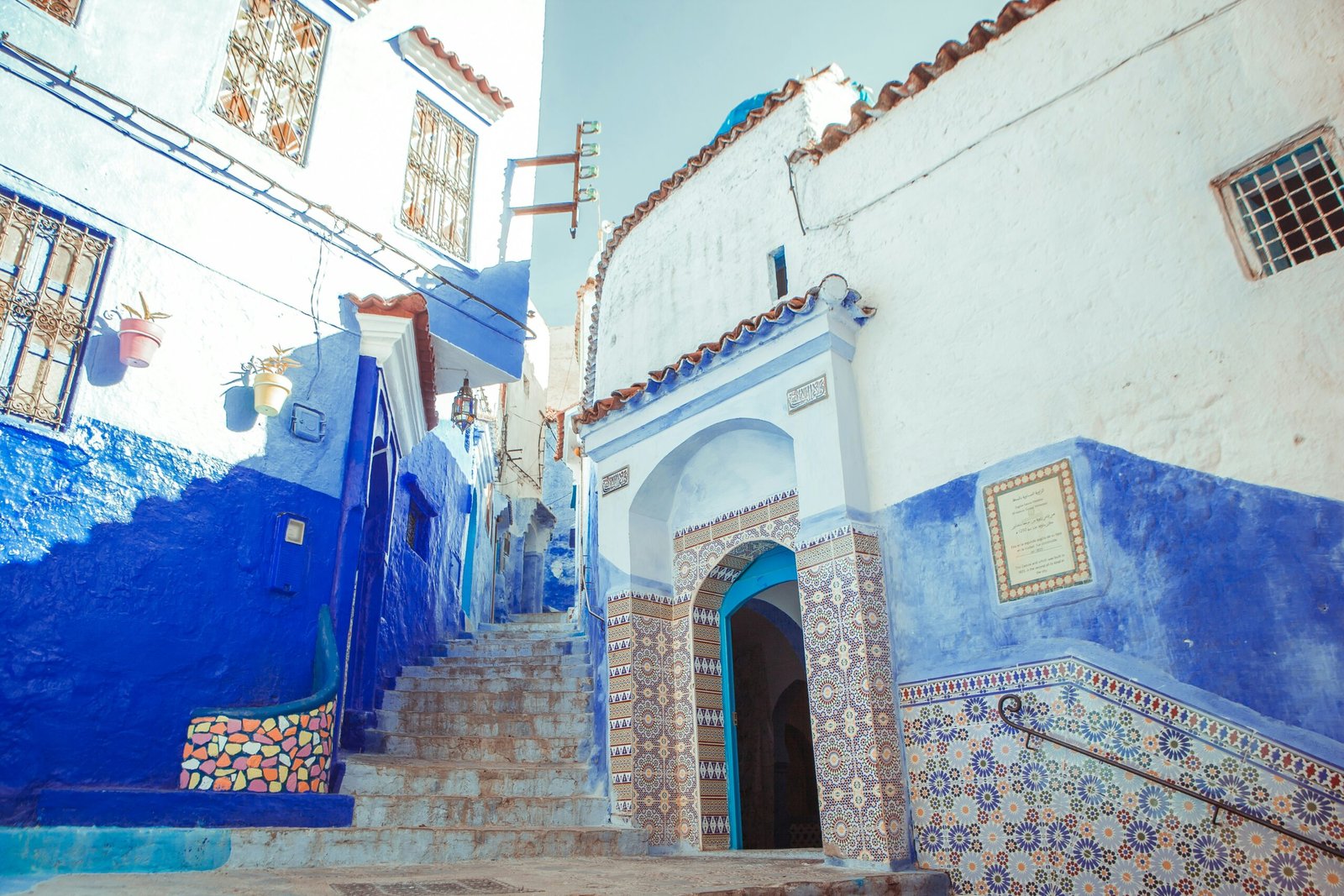
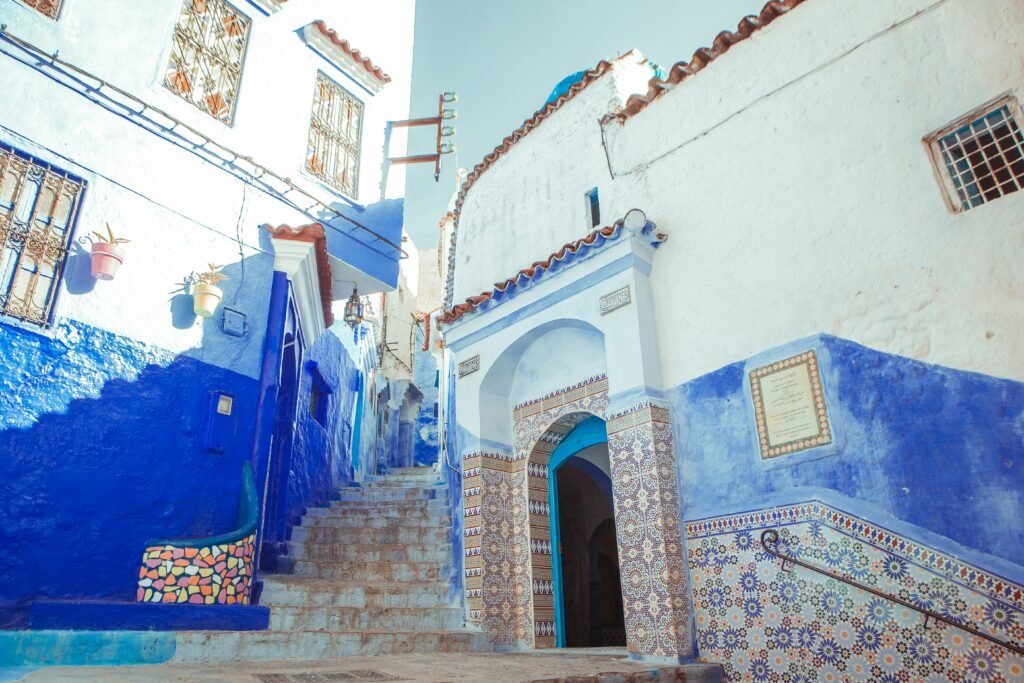
To really answer is Morocco safe to visit, you have to look city by city safety in here is very local. Chefchaouen is about as low-hassle as it gets, while the ancient medina of Fes nearly 9,000 narrow alleys deep demands real spatial awareness, especially alone after dark.
| City / Region | Petty Crime | Hassle / Scam Risk | Nighttime Safety | Local Notes |
|---|---|---|---|---|
| Marrakech | Moderate–High | High | Safe in busy squares (Jemaa el-Fna) | Fast-paced; stick to populated routes, keep bags secure |
| Fes | Moderate | Moderate–High | Caution in isolated alleys | Labyrinthine medina — a licensed guide is worth it |
| Casablanca | Moderate | Moderate | Safer in modern districts | Economic hub; extra care in the old medina |
| Chefchaouen | Low | Very Low | Excellent | Relaxed and ideal for first-time solo travelers |
| Essaouira | Low | Low | Safe in lit tourist zones | Coastal, laid-back — far less hassle than Marrakech |
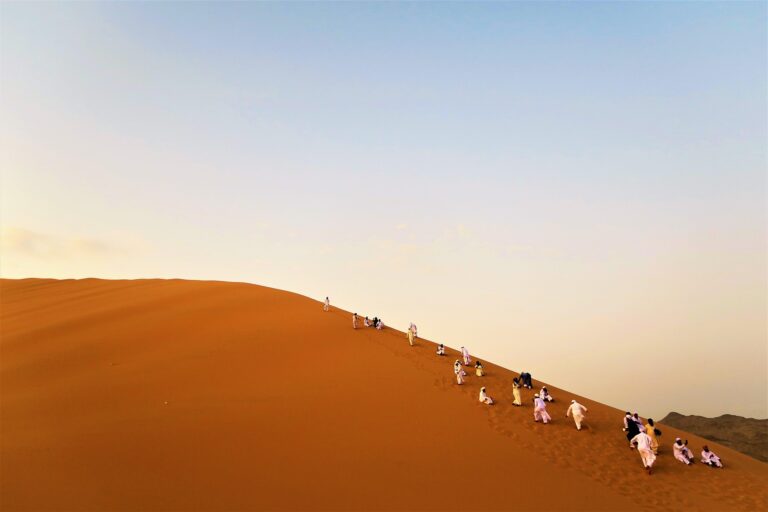
| Sahara (Merzouga) | Exceptionally Low | Low | Highly safe with guided camps | Book with established Berber-run operators |
If you’re planning to cross between the imperial cities, a guided Marrakech to Fes desert tour is the safest and most scenic way to do it, and a proper desert excursion into the Sahara is worth building into any itinerary, even a short one.
Logistics and Health: The No-BS Version
Beyond the headline question of is Morocco safe to visit, two practical things trip up more travelers than any scam ever will: boarding passes and tap water. Many airports still expect a printed, stamped boarding pass before security a digital pass alone can cost you an unpleasant last-minute fee, so print one at check-in regardless of what your airline app tells you.
As for “Morocco belly,” tap water is fine for locals but rough on unadjusted stomachs stick to bottled water, even for brushing your teeth if you’re sensitive. Street food, on the other hand, deserves its reputation: busy stalls with high turnover are some of the best meals you’ll have, just skip raw salads and unpeeled fruit from street vendors.
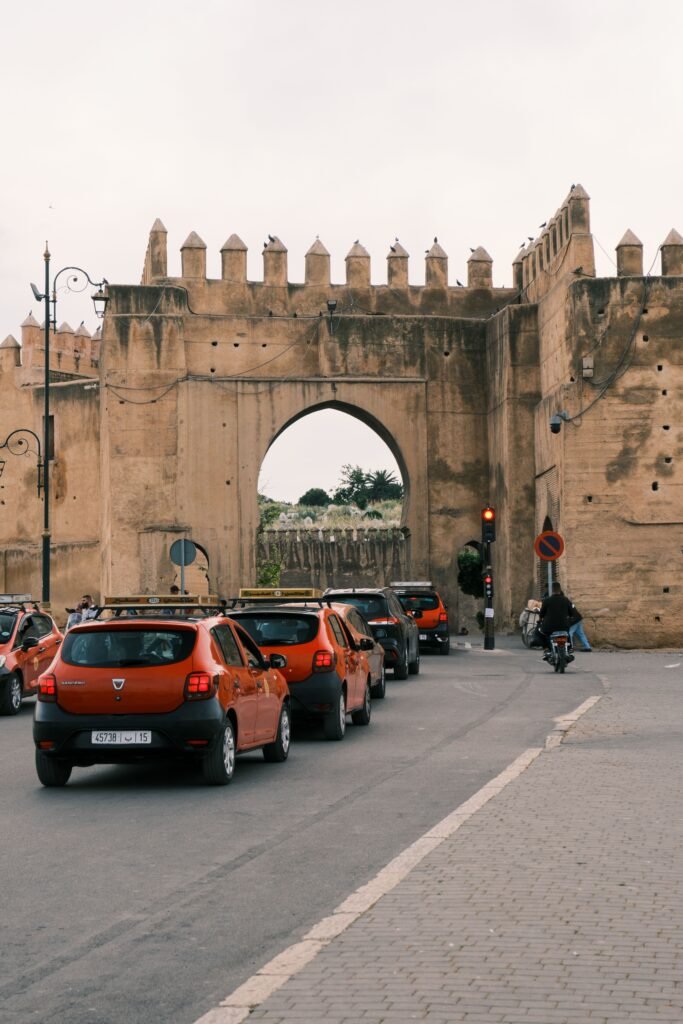
A few cultural notes worth knowing before you land: petit taxi colors vary by city (red in Casablanca and Fes, ochre in Marrakech, blue in Rabat), and ride-hailing apps like Careem and inDrive work in major cities and skip the fare negotiation entirely. During Ramadan, avoid eating, drinking, or smoking in public during daylight hours out of respect.
Alcohol is restricted and rarely served outside hotels and licensed venues supermarkets like Carrefour have a discreet section for it. And while enforcement against tourists is rare, same-sex relationships remain illegal under Moroccan law, so discretion in public is genuinely necessary, not just advisable.
Frequently Asked Questions
Is Morocco safe to visit right now, in 2026?
Yes. Morocco remains politically stable, with government advisories at a standard Level 2, similar to most Western European capitals, due to petty crime rather than any specific threat.
Is it safe for Americans to visit Morocco?
Yes. The U.S. and Morocco maintain strong diplomatic relations, and American travelers face the same general precautions as any other international visitor — nothing nationality-specific.
What areas should tourists avoid in Morocco?
Steer clear of the Algerian border region and Western Sahara areas near the Berm due to unresolved territorial disputes. In Casablanca, avoid the Hay Mohammadi neighborhood alone at night.
What’s the emergency number in Morocco?
Dial 19 for police in cities, 177 for the Gendarmerie in rural areas, and 15 for fire and ambulance. From any mobile phone, 112 also connects you to emergency services.
Do I need travel insurance for Morocco?
Yes it’s strongly recommended. Make sure your policy covers medical evacuation, since remote desert or High Atlas areas can be hours from proper clinical care.
Is Morocco safe to visit for families with children?
Yes Morocco is a welcoming destination for families, with the main considerations being food/water hygiene and pacing the medina experience for younger kids.
So is Morocco safe to visit? My cousin’s takeaway, a year later, is the same one every honest traveler comes back with: yes, and it doesn’t need to be feared, it needs to be respected like any country with fourteen centuries of history and thirty-five million people who are, overwhelmingly, just going about their lives. Say your “la, shukran,” drink your bottled water, book your tripe through a trusted source, and go. The medina is waiting.